
What Can You Do With a BSN? Career Paths Beyond Bedside Nursing
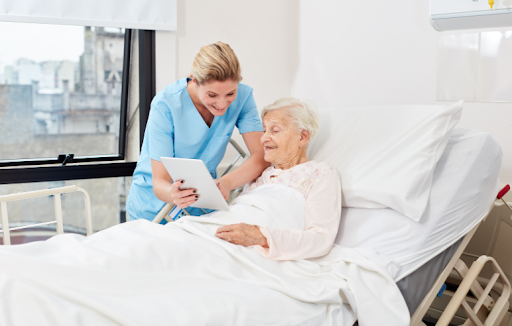
Many registered nurses begin their careers in bedside care, but not every RN wants to stay in the same type of direct patient care role forever. A BSN can help working nurses build broader skills that may support more flexible career paths, including leadership, care coordination, education, quality improvement, informatics, public health, and other roles that use nursing knowledge in different ways.
For RNs balancing shifts, family responsibilities, and long-term career planning, the question is not always, “How do I leave bedside nursing?” It may be, “How can I keep growing in nursing while opening more options for the future?”
That is where a BSN can be part of a long-term career mobility plan. It can help experienced RNs build on their clinical background while preparing for roles that may involve more leadership, coordination, education, technology, community health, or system-level work.
Why Working RNs Are Exploring Career Paths Beyond the Bedside
Many nurses value bedside care and the direct relationships they build with patients and families. At the same time, years of shift work, changing interests, leadership goals, or a desire to work in a different setting can lead RNs to explore other options.
Some nurses want to move toward team leadership. Others are interested in education, community health, technology, research, care coordination, or roles that focus on improving care across a unit, organization, or community.
A BSN does not require nurses to leave bedside care. Instead, it can help nurses build skills that may support different directions over time. For working RNs, career mobility may mean staying connected to patient care while taking on new responsibilities. It may also mean preparing for less bedside-focused roles as their goals, schedules, or interests change.
How a BSN Can Support Career Mobility for Working RNs
An RN-to-BSN program is designed to build on the education and clinical experience nurses already possess. Rather than focusing on entry-level nursing skills, BSN coursework introduces broader concepts that support professional growth in healthcare.
Students often study topics such as:
- Evidence-based practice.
- Leadership and management.
- Population health.
- Quality improvement.
- Healthcare technology.
- Professional communication.
- Healthcare policy.
- Research methods.
For working RNs, these areas matter because they connect daily clinical experience with larger parts of healthcare. A nurse who understands patient care, team communication, data, policy, and community health may be better prepared to explore roles that rely on clinical judgment but are not limited to bedside shifts.
A BSN can also help nurses think more broadly about where their experience may fit. Instead of seeing nursing as one career lane, RNs can consider how their skills may apply in patient education, operations, quality improvement, public health, technology, and leadership.
Bedside Nursing vs. Non-Bedside Nursing
A BSN supports career flexibility, not career replacement. Many BSN-prepared nurses continue providing direct patient care because they enjoy working with patients and families. Others use the degree to explore roles that involve education, leadership, technology, research, or healthcare operations.
The following comparison highlights some general differences between traditional bedside roles and many non-bedside nursing opportunities. Responsibilities vary by employer and position.
| Bedside Nursing | Non-Bedside Nursing |
| Provides direct patient care | May focus on leadership, coordination, education, research, or administration |
| Often works in hospitals or inpatient settings | May work in hospitals, community organizations, schools, insurance companies, or corporate settings |
| Performs assessments, treatments, and patient monitoring | May improve healthcare systems, coordinate care, educate staff, or analyze healthcare data |
| Frequently works rotating shifts, weekends, or holidays (depending on employer) | Schedule varies depending on the position and employer |
| Focuses primarily on individual patient care | May influence patient care across departments, organizations, or communities |
Career Paths That May Support Mobility Beyond Traditional Bedside Nursing
The following roles show how nursing knowledge can be used in different settings. A BSN may support preparation for these paths, but requirements vary. Some roles may require an active RN license, clinical experience, certifications, advanced education, or employer-specific qualifications.
Nurse Manager or Charge Nurse
Nurse managers and charge nurses oversee daily clinical operations, support nursing staff, and help maintain high standards of patient care. Their responsibilities may include scheduling, mentoring, managing workflow, solving operational challenges, and coordinating communication across departments.
This path may appeal to working RNs who want to stay connected to clinical care while taking on more leadership and team support responsibilities. These roles require strong organization, communication, collaboration, and decision-making skills in addition to clinical expertise.
Case Manager
Case managers coordinate patient care by working with healthcare providers, patients, families, and insurers to develop care plans, manage discharge planning, arrange follow-up services, and connect patients with community resources.
For RNs who enjoy problem-solving and planning, case management can offer a way to use clinical knowledge without focusing only on bedside tasks. This role emphasizes care coordination, communication, organization, and problem-solving. A BSN provides a strong foundation through coursework in leadership, communication, and population health.
Public Health Nurse
Public health nurses improve the health of communities by focusing on disease prevention, health education, immunization programs, emergency preparedness, and community outreach. They work with schools, government agencies, nonprofits, and healthcare organizations to promote healthier populations.
This role may be a fit for nurses who want to look beyond one patient at a time and focus on community health needs. A BSN provides foundational knowledge in population health, health promotion, and cultural competency, which can support preparation for this prevention-focused role.
Clinical Educator
Clinical educators are experienced nurses who train and mentor healthcare professionals. They help staff develop clinical skills, stay updated on best practices, and provide quality patient care. They may create training programs, support new staff, evaluate competencies, and promote evidence-based practice.
This career path may appeal to nurses who enjoy teaching, coaching, and helping other healthcare professionals grow. A BSN provides foundational skills for this role, though some positions may require advanced education or additional experience.
Nurse Navigator
Nurse navigators help patients and families manage complex healthcare journeys by coordinating care, explaining treatment plans, scheduling appointments, and connecting them with resources. They work closely with healthcare teams to improve communication and help patients receive appropriate care.
For RNs who want a patient-facing role with less emphasis on traditional bedside routines, nurse navigation may offer a strong career mobility path. This role focuses on patient advocacy, education, and care coordination, making it a fit for nurses with strong communication and organizational skills.
Quality Improvement Coordinator
Quality improvement coordinators help healthcare organizations improve patient safety, care quality, and operational efficiency by analyzing data, evaluating clinical processes, and supporting improvement initiatives. They collaborate with interdisciplinary teams to apply evidence-based solutions.
This type of role may interest nurses who notice workflow issues, safety concerns, or process gaps and want to help improve the system. A BSN can help nurses build knowledge in quality improvement, research, and evidence-based practice.
Informatics Nurse
Informatics nurses combine clinical expertise with technology to improve healthcare systems and patient care. They may help implement and optimize tools such as electronic health records, train staff on new technologies, improve documentation workflows, and support the effective use of healthcare data.
This path may be useful for RNs who are interested in technology, data, documentation, and solving problems that affect how care teams work. It can offer a way to apply bedside experience in a systems-focused role.
Occupational Health Nurse
Occupational health nurses promote employee health and workplace safety by preventing injuries, supporting wellness programs, and providing care for work-related illnesses and injuries. Their responsibilities may include health assessments, first aid, return-to-work coordination, health screenings, and employee education.
This role may be a fit for nurses who enjoy prevention, wellness, education, and workplace health. It can also allow nurses to apply clinical skills in settings outside traditional hospital units.
Research Nurse
Research nurses support clinical studies by coordinating research activities, recruiting participants, collecting data, monitoring patient safety, and helping maintain ethical and regulatory standards. They work closely with healthcare and research teams to advance medical knowledge and improve patient care.
A BSN provides a strong foundation in research methods and evidence-based practice, though some positions may require additional training or experience. This path may appeal to nurses who are curious about how clinical evidence is developed and applied.
Care Coordinator
Care coordinators help patients navigate the healthcare system by arranging services across providers, managing referrals, supporting follow-up care, and connecting patients with community resources. They focus on continuity of care throughout the patient’s healthcare journey.
This role may be a good fit for RNs who want to use communication and organization skills to help patients move through complex care systems. A BSN provides valuable preparation through its emphasis on clinical care, care coordination, and communication.
Telehealth Nurse
Telehealth nurses provide remote patient care through phone, video, or secure messaging. They may assess health concerns, offer education, support chronic condition management, and determine when further medical evaluation is needed.
Telehealth may appeal to nurses interested in technology, patient education, and flexible care delivery models. This role still relies on strong clinical judgment and communication skills, even when care is provided remotely.
Leadership and Administrative Roles
Leadership and administrative roles allow nurses to oversee teams, manage projects, develop policies, support quality improvement, and contribute to organizational planning and compliance. While these positions may involve less direct patient care, they still rely on strong clinical knowledge and leadership skills.
For working RNs thinking about long-term career mobility, these roles show how nursing experience can support broader work in healthcare operations, team leadership, and system improvement. A BSN provides a foundation in leadership, communication, quality improvement, and evidence-based decision-making.
Why Career Mobility Matters in Nursing
Career mobility in nursing allows nurses to pursue roles that align with their evolving interests, experience, and goals. While some choose to remain in bedside care, others move into leadership, education, care coordination, technology, public health, or system improvement.
For working RNs, career mobility can also mean having more room to adapt as life and professional goals change. A nurse may want a different schedule, more leadership responsibility, more patient education work, or a role that has a broader impact beyond one unit.
A BSN does not guarantee a specific role, but it can help nurses build transferable skills. It is not about leaving bedside nursing behind right away. It is about creating more options for the future.
Skills Employers Value in BSN-Prepared Nurses
While technical nursing knowledge remains essential, today’s healthcare organizations also value professional skills that contribute to collaboration, quality care, and organizational improvement.
BSN programs are designed to strengthen competencies such as:
- Leadership: Supporting teams, mentoring colleagues, and contributing to organizational initiatives.
- Communication: Collaborating effectively with patients, families, and interdisciplinary healthcare teams.
- Evidence-based practice: Using current research to inform clinical decision-making.
- Critical thinking: Evaluating complex situations and making sound professional judgments.
- Quality improvement: Identifying opportunities to improve patient safety and healthcare outcomes.
- Population health: Understanding how community and environmental factors influence health.
- Healthcare technology: Using digital tools and information systems that support modern healthcare delivery.
- Cultural competency: Providing respectful, patient-centered care to diverse populations.
These skills can be useful across many nursing paths. They may support nurses who want to remain at the bedside, move into leadership, teach other professionals, coordinate care, or work in settings outside a hospital.
Can a BSN Prepare You for Graduate Nursing Education?
A BSN can serve as a foundation for graduate nursing education, as many master’s and doctoral programs require a bachelor’s degree for admission. While it does not guarantee acceptance, earning a BSN helps prepare nurses for advanced study in areas such as leadership, education, advanced practice, healthcare administration, and informatics.
For RNs thinking beyond bedside roles over the long term, graduate study may be one possible next step, depending on their goals and the requirements of the program they choose.
How MDC Online’s RN-to-BSN Program Supports Professional Growth.
MDC Online’s RN-to-BSN program is designed for working nurses, offering fully online, asynchronous coursework with full-time and part-time enrollment options. While most classes are completed online, two practicum courses require in-person clinical hours. The program supports professional growth by helping nurses build skills for leadership, education, quality improvement, community health, and other career opportunities beyond bedside care.
Is a BSN the Right Step If You Want More Nursing Options?
For many RNs, earning a BSN is not only about changing jobs. It can be about building a broader professional foundation. Bedside experience remains valuable, but a BSN can help nurses apply that experience in new ways across leadership, education, care coordination, quality improvement, public health, technology, and graduate study pathways.
Working nurses who are considering their next step can explore MDC Online’s RN-to-BSN program and review official requirements to determine whether the program fits their goals, schedule, and career plans.
Frequently Asked Questions
1. Is a BSN worth earning if I do not want to stay in bedside nursing forever?
For many nurses, a BSN can support professional growth even if they plan to pursue roles outside traditional bedside nursing. The degree emphasizes leadership, evidence-based practice, healthcare technology, quality improvement, and population health. These skills may apply across a variety of healthcare settings.
A BSN does not guarantee a specific job or promotion. Career outcomes depend on experience, employer requirements, location, and any additional credentials required for the role.
2. Does earning a BSN mean I have to leave bedside nursing?
No. A BSN supports career flexibility, not career replacement. Many BSN-prepared nurses continue working in direct patient care because they enjoy bedside nursing. Others use the degree to explore leadership, education, care coordination, informatics, public health, or quality improvement roles.
For working RNs, this can make the BSN a long-term planning tool. It may help nurses keep bedside care as an option while building skills that can support future mobility.
3. What non-bedside nursing careers can BSN-prepared nurses pursue?
Depending on their experience and employer requirements, BSN-prepared nurses may pursue opportunities in case management, public health, nursing informatics, quality improvement, research, occupational health, telehealth, care coordination, education, or healthcare leadership.
Some roles may still involve patient interaction, but not in a traditional bedside format. Others may focus more on systems, teams, data, community health, or patient navigation.
4. Can working RNs complete an RN-to-BSN program while employed?
Many RN-to-BSN programs are designed with working nurses in mind. MDC Online’s RN-to-BSN program offers asynchronous online coursework, which means students are not required to attend live class sessions at set times. The program also offers full-time and part-time enrollment options.
Flexible does not mean self-paced. Students still need to meet deadlines, complete assignments, and fulfill program requirements, including in-person clinical hours for two practicum courses.
5. Can a BSN help prepare nurses for leadership roles?
A BSN curriculum commonly includes coursework in leadership, communication, quality improvement, and healthcare systems. These competencies can support nurses interested in leadership opportunities as they gain professional experience.
Some leadership positions may require additional experience, certifications, advanced education, or employer-specific qualifications. Nurses should review role requirements carefully before planning a career move.
6. Can a BSN prepare me for graduate nursing education?
Many graduate nursing programs require applicants to hold a bachelor’s degree. A BSN may serve as an academic foundation for graduate study, depending on the program’s admission requirements.
Graduate study may support future goals in areas such as nursing education, leadership, healthcare administration, informatics, or advanced practice. Acceptance into graduate programs is determined by each institution’s admissions criteria.
