
Healthcare Careers That Pay Well Without Medical School

When people think about healthcare careers, becoming a physician is often one of the first options that comes to mind. Medical school is one path into the field, but it is not the only way to build a meaningful career in healthcare.
Healthcare organizations depend on many professionals who support patient care, diagnostics, rehabilitation, technology, administration, and daily operations. Many of these roles follow education and training pathways that do not require medical school, making healthcare a strong option for students with different interests, strengths, and goals.
If you are considering a future in healthcare, learning about the options available can help you choose a path that fits your skills, schedule, and long-term plans.
Why Students Consider Healthcare Careers
Healthcare offers a wide range of career paths. Some students want to work directly with patients and make a difference in their communities. Others are drawn to science, technology, leadership, or the systems that help healthcare organizations run effectively.
Another benefit is the variety of education options available. Depending on your goals, you may pursue clinical care, healthcare administration, diagnostics, rehabilitation, laboratory work, or healthcare technology. Some paths begin with an associate degree or specialized training, while others may require a bachelor’s degree, graduate education, licensure, or professional certification.
Understanding these options can help you find a healthcare career that matches both your interests and your real-life responsibilities.
Healthcare Careers Beyond Becoming a Physician
Medical school is not the only way to enter the healthcare field. Many professionals support patients and healthcare teams in essential ways, whether they work at the bedside, in a lab, in an office, or with advanced healthcare technology.
1. Registered Nurse
Registered nurses provide direct patient care, assess patient conditions, administer treatments, and work closely with healthcare teams. Nursing is one of the most recognized healthcare career paths, with opportunities in hospitals, clinics, schools, community health organizations, and other care settings.
Students interested in nursing often build skills in communication, critical thinking, patient advocacy, and clinical decision-making. For licensed RNs who want to continue their education, MDC Online’s Bachelor of Science in Nursing, RN to BSN program offers a flexible pathway designed for working nurses.
2. Health Services Administrator
Not every healthcare career involves direct patient care. Health services administrators help manage operations within hospitals, clinics, long-term care facilities, and other healthcare organizations.
This path may be a good fit for students interested in leadership, planning, problem-solving, and healthcare systems. Administrators help organizations coordinate services, support staff, manage resources, and improve how care is delivered.
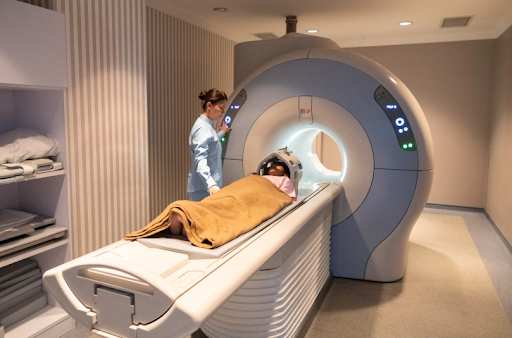
3. Diagnostic Imaging Careers
Diagnostic imaging professionals use specialized equipment to help healthcare providers evaluate patients and plan treatment. These roles combine technology, patient interaction, and healthcare science.
Examples include X-ray technologists, MRI technologists, nuclear medicine technologists, and vascular technologists. Students who enjoy hands-on work with advanced equipment may find this area of healthcare especially interesting.
4. Respiratory Therapist
Respiratory therapists care for patients with breathing and cardiopulmonary conditions. They may assess patients, provide treatments, monitor progress, and collaborate with physicians, nurses, and other healthcare professionals.
This career blends direct patient care with specialized clinical knowledge, making it a strong option for students interested in focused, hands-on healthcare work.
5. Dental Hygienist
Dental hygienists support oral health through preventive care and patient education. Their work may include cleaning teeth, conducting screenings, taking dental images, and teaching patients how to maintain healthy habits.
Students who enjoy one-on-one patient interaction and preventive healthcare may be interested in this path.
Rehabilitation and Therapy Careers
Healthcare does not stop at diagnosis and treatment. Many professionals help patients recover, adapt, and improve their quality of life after illness, injury, or disability.
6. Occupational Therapist
Occupational therapists help people develop or regain the skills needed for everyday activities. They may work with patients recovering from illness or injury, children with developmental needs, or adults adapting to physical or cognitive changes.
This career often appeals to students who want to help people build independence in daily life.
7. Physical Therapist
Physical therapists help patients improve movement, manage physical challenges, and work toward rehabilitation goals. They often support people recovering from surgery, injury, illness, or long-term conditions.
This role usually involves working closely with patients over time to help improve mobility, strength, and function.
8. Speech-Language Pathologist
Speech-language pathologists work with children and adults who have challenges related to speech, communication, language, voice, or swallowing. They may work in schools, hospitals, rehabilitation centers, private practices, or other care settings.
This field may be a good fit for students who are interested in communication, patient support, and helping people make meaningful progress in daily life.
Healthcare Careers That Blend Science and Technology
Healthcare continues to grow alongside new technology and scientific advances. For students who enjoy problem-solving, research, or technical work, there are career paths that connect healthcare with innovation.
9. Biomedical Engineer
Biomedical engineers apply engineering principles to healthcare challenges. Their work may include designing medical devices, improving healthcare equipment, or supporting technologies that help patients and providers.
This path may appeal to students who enjoy math, science, design, and problem-solving.
10. Cytotechnologist
Cytotechnologists work in laboratory settings, examining cell samples to help healthcare teams identify signs of disease. Their work supports diagnostic decisions and plays an important role in patient care, even though they may not interact with patients directly.
Students interested in biology, laboratory science, and detailed analytical work may find this type of role rewarding.
Education Pathways for Healthcare-Focused Students
There is no single education path for every healthcare career. The right route depends on your interests, current education, timeline, and long-term goals.
Some students begin with an associate degree or specialized healthcare training. Others pursue a bachelor’s degree, healthcare administration program, nursing pathway, allied health program, or graduate-level education, depending on the field they want to enter. Students comparing options can explore MDC Online’s online degree and certificate programs to review flexible pathways that may fit their goals.
As you compare options, think about the type of work you want to do, the setting where you would like to work, how long you want to be in school, and how your education can fit around work, family, or other responsibilities. These factors can help you narrow your choices and move forward with more confidence.
Take the Next Step Toward a Healthcare Career
Healthcare offers many career opportunities beyond becoming a physician. From nursing and healthcare administration to diagnostic imaging, rehabilitation, laboratory science, and healthcare technology, students can explore paths that align with their interests and goals.
Learning about these options can help you make informed education decisions and choose a path that supports your future. If you are interested in healthcare-focused education, exploring MDC Online can be a helpful first step.
Frequently Asked Questions
1. Do all healthcare careers require medical school?
No. Many healthcare careers do not require medical school. Nursing, healthcare administration, diagnostic imaging, rehabilitation services, laboratory science, and allied health professions all offer pathways into healthcare without becoming a physician.
2. What healthcare careers involve direct patient care?
Careers that often involve direct patient care include registered nurse, respiratory therapist, dental hygienist, occupational therapist, physical therapist, and speech-language pathologist. Each role supports patients in a different way, so the right choice depends on your interests and educational goals.
3. Are there healthcare careers that focus on technology?
Yes. Diagnostic imaging, biomedical engineering, laboratory science, and nuclear medicine technology are examples of healthcare careers that involve technology. These roles may be a good fit for students who enjoy science, equipment, data, and problem-solving.
4. Can online learning help prepare students for healthcare careers?
Online learning can offer flexibility for students pursuing healthcare-related education while balancing work, family, or other responsibilities. Depending on the program and career path, some healthcare fields may also require in-person labs, clinical experiences, licensure, or hands-on training. Students can learn more about the online experience through MDC Online’s guide to how online learning works.
5. How do I choose the right healthcare career path?
Start by thinking about your interests, preferred work environment, education timeline, and the type of impact you want to make. Some students prefer direct patient care, while others are more interested in administration, technology, research, or rehabilitation. MDC Online’s advisement and career services can help students explore options and choose a path that fits their goals.